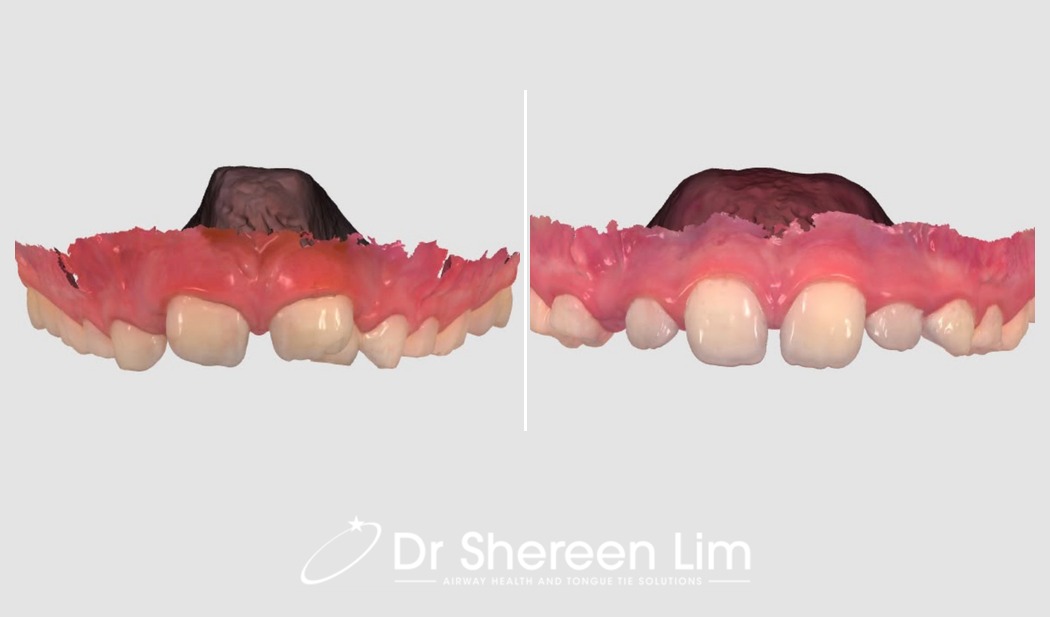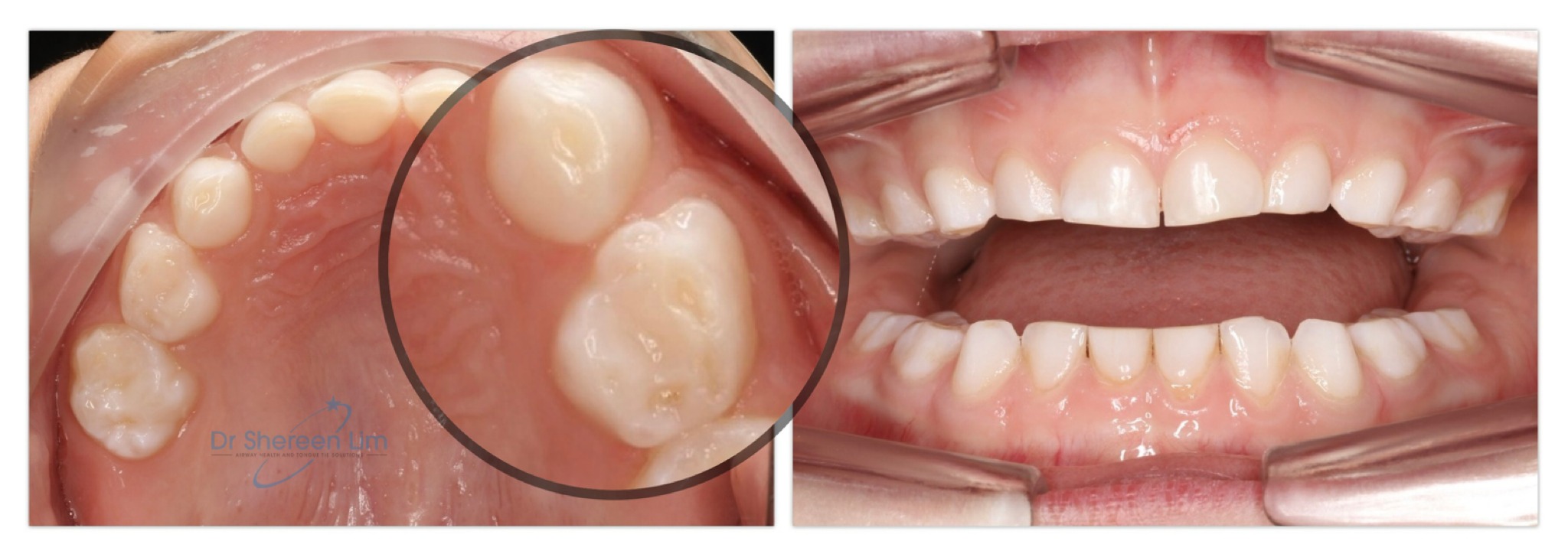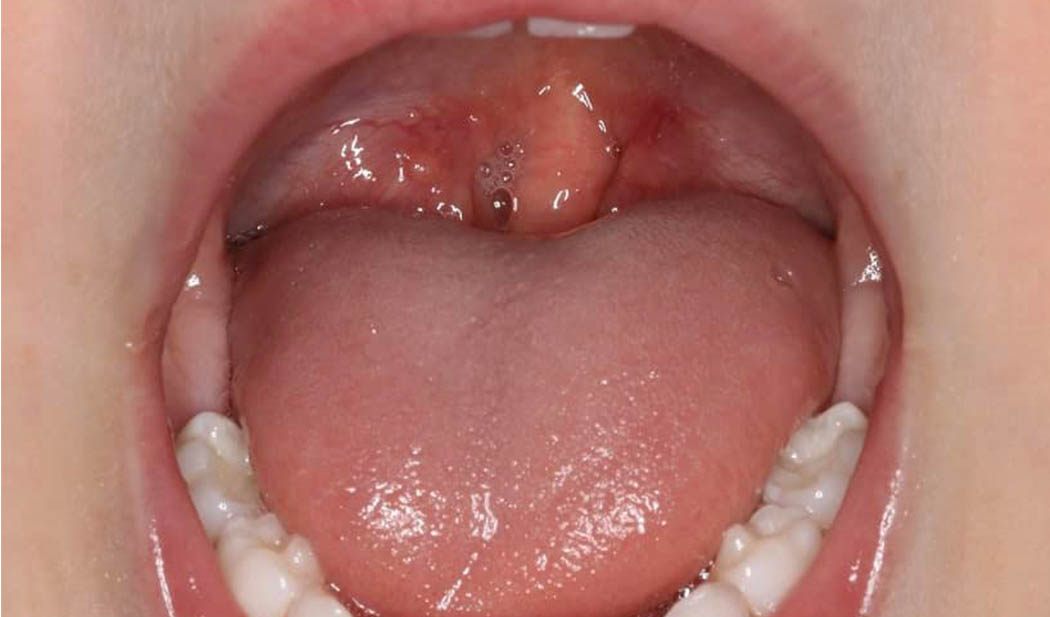
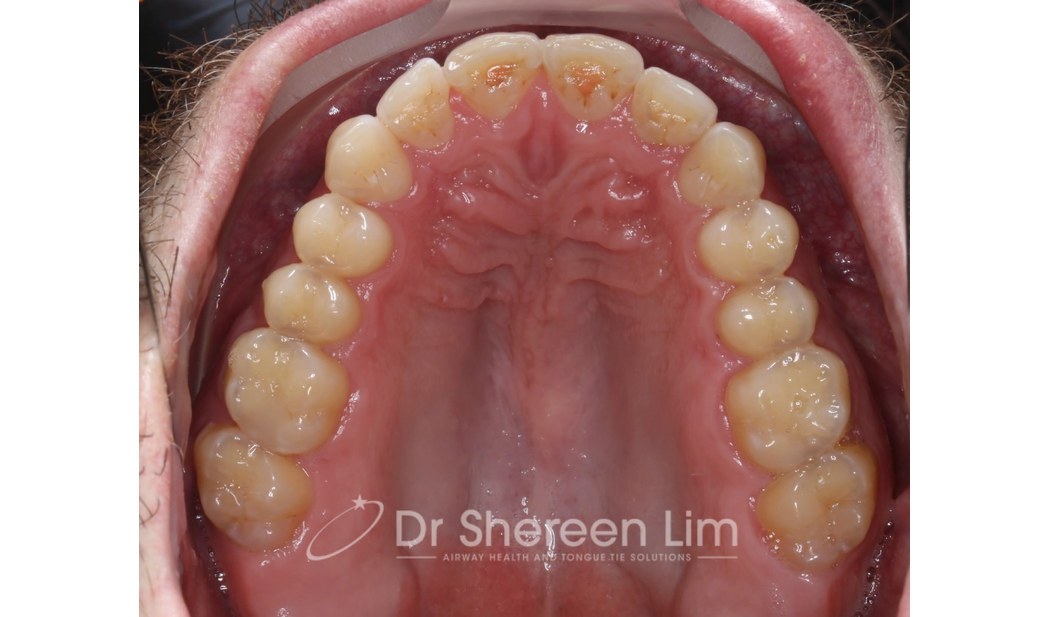
Here’s the high-arched palate of an adult patient I saw recently who presented with ongoing mouth breathing, disturbed sleep and fatigue.
Nearly 10 years ago, he underwent double jaw surgery for obstructive sleep apnoea. Prior to that, he had undergone nasal surgery, including septoplasty and turbinate reduction. Following jaw surgery, he underwent further turbinate surgery in conjunction with rhinoplasty.
Despite multiple surgeries, he still struggles to breathe through his nose, wakes feeling unrefreshed and experiences low energy throughout the day. For years, lifestyle adjustments made his symptoms manageable enough that he didn’t pursue further intervention. But he’s now seeking answers again.
Still can’t breathe through your nose after nasal surgery?
Did you know that a 2019 study by Williams et al at Stanford University School of Medicine identified a high-arched palate and narrow maxilla as significant anatomical factors associated with persistent nasal obstruction following nasal surgery?
The roof of the mouth is also the floor of the nose.
Nasal surgeries such as septoplasty and turbinate reduction primarily address structures within the nasal airway. But sometimes the problem isn’t just what’s inside the box – it’s the size and shape of the box itself.
Skeletal maxillary expansion can widen the bony nasal floor, increasing the dimensions of the nasal cavity and potentially improving nasal airflow. Expansion also increases the transverse width of the upper jaw, creating more space for the tongue to rest and function, something that jaw advancement surgery doesn’t necessarily achieve.
Why we need better integration between specialties
In 2019, approximately 30 years after the original Stanford sleep surgery protocol was introduced, the algorithm was updated to incorporate maxillary expansion as a Phase 1 targeted treatment option for patients with a narrow, high-arched palate and nasal obstruction, before considering more invasive double jaw advancement surgery where appropriate. With advances in mini-implant-assisted rapid palatal expansion (MARPE), skeletal widening can now be achieved without surgical assistance in some adults.
We need better integration between ENTs, dentists, orthodontists, sleep physicians and oral and maxillofacial surgeons. This patient knew he wanted palate expansion even before his jaw surgery, but that option was never put on the table.
The bigger opportunity: recognising a high-arched palate in childhood
I believe the greatest opportunity is recognising a narrow, high-arched palate much earlier in life.
Looking back through this patient’s history, his sinus and breathing difficulties began in childhood. Could earlier recognition of his narrow, high-arched palate have affected his trajectory of sleep, health and overall wellbeing?
We can’t know for certain, but earlier assessment may allow us to recognise and address these anatomical risk factors while children are still growing. We should not overlook the potential impact of a narrow, high-arched palate on nasal breathing, tongue space and function.
If you’re an adult still struggling to breathe through your nose after nasal surgery, ask your ENT, sleep physician or orthodontist whether your palate has been assessed.
If you’re a parent, the earliest signs often show up in how your child breathes, feeds and sleeps, long before a narrow palate causes bigger problems. These signs are worth discussing early, while growth is still on our side. I explore how to recognise them in my book Breathe, Sleep, Thrive.
References
- Williams R, Patel V, Chen YF, Tangbumrungtham N, Thamboo A, Most SP, Nayak JV, Liu SY. The Upper Airway Nasal Complex: Structural Contribution to Persistent Nasal Obstruction. Otolaryngology–Head and Neck Surgery. 2019;161(1):171–177. View article
- Liu SY, Awad M, Riley RW, Capasso R. The Role of the Revised Stanford Protocol in Today’s Precision Medicine. Sleep Medicine Clinics. 2019;14(1):99–107. View article
- Liu SY, Riley RW, Yu MS. Surgical Algorithm for Obstructive Sleep Apnea: An Update. Clinical and Experimental Otorhinolaryngology. 2020;13(3):215–224. View article (free full text)
This post was originally shared on Facebook. Follow the discussion here.