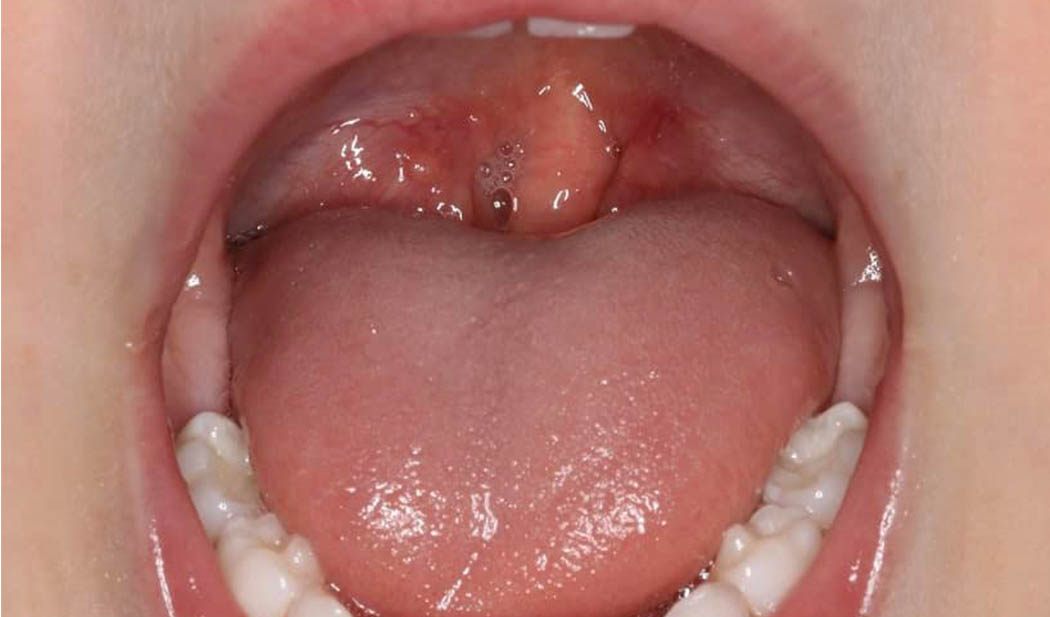

Recently, I met a six-year-old whose parents mentioned he was about to have his sixth set of grommets.
If you’re a parent wondering why your child keeps needing grommets, you’re not alone.
Grommets can make an enormous difference to a child’s hearing and quality of life. But when a child needs the same procedure again and again, I can’t help wondering whether we’re missing something.
Could the shape of their palate, the way they breathe, or even how they swallow be part of the problem? I think it’s time we connected more of these dots.
Why do children need grommets?
Grommets are tiny tubes placed in the eardrum to ventilate the middle ear and let fluid drain. They’re commonly used for two childhood problems:
- Glue ear: fluid that builds up behind the eardrum, affecting hearing.
- Recurrent ear infections: painful infections that keep coming back.
The benefits are real. Better hearing during these important years supports speech, language, learning and behaviour. And when infections occur with grommets in place, they can often be treated with ear drops rather than oral antibiotics.
But grommets don’t address why the middle ear isn’t draining properly in the first place. That’s the job of the Eustachian tube, a small channel connecting the middle ear to the back of the nose. It opens briefly when we swallow or yawn, letting air in and keeping the pressure normal. When it isn’t working well, fluid builds up, and once the grommets fall out, the problem can return.
Over the years, I’ve seen many children who’ve needed repeated grommets. Some have developed scarring of the eardrum, and in a couple of cases I’ve seen more permanent damage and hearing loss.
Each set also means another general anaesthetic. So when a child is heading for their sixth set, I think it’s reasonable to ask: what else is going on?
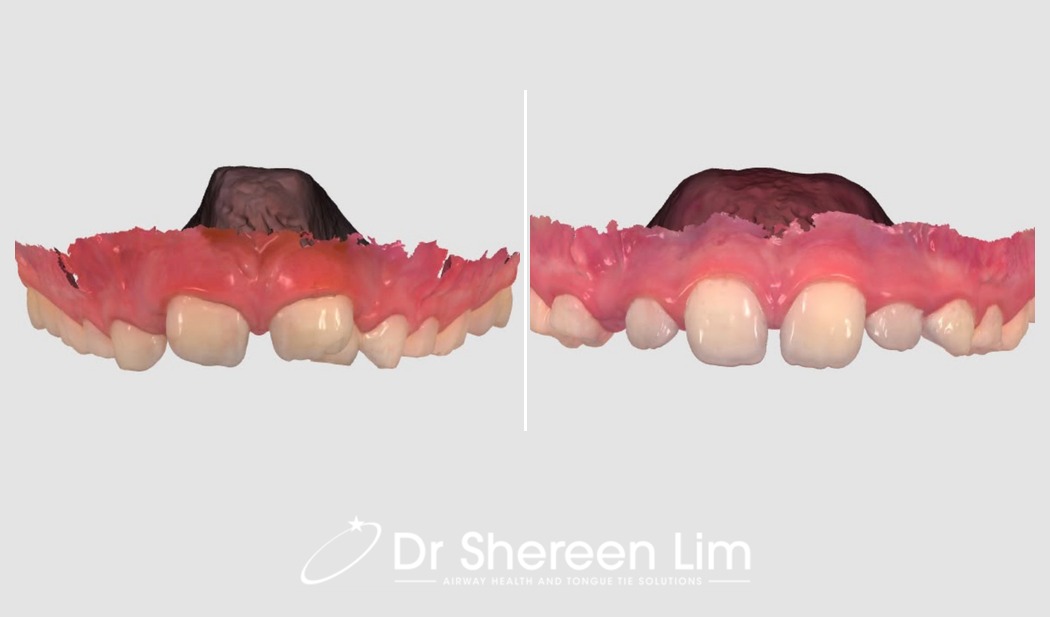
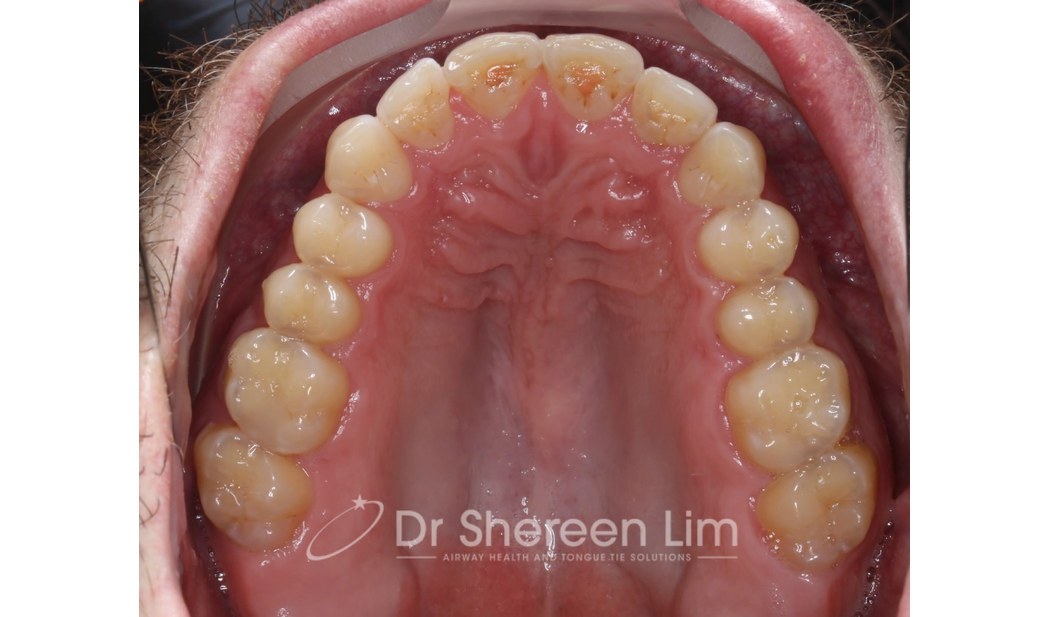
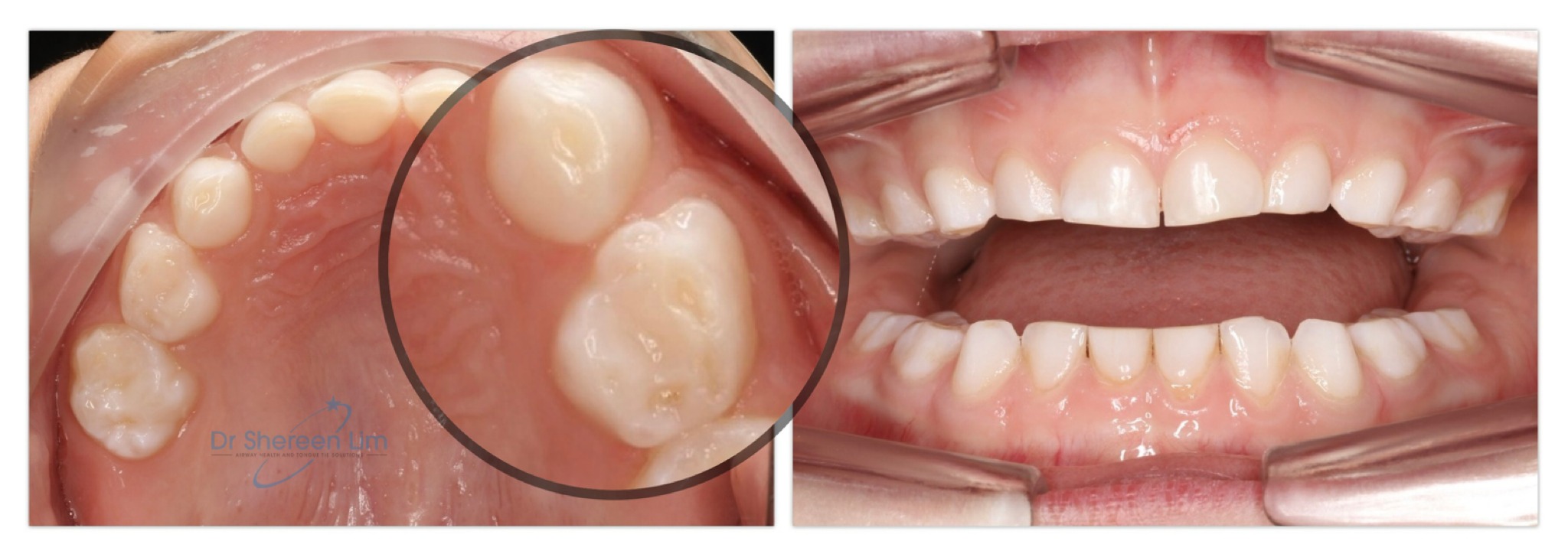
Could the palate be part of the picture?
The roof of the mouth (the hard palate) is also the floor of the nose, and the muscles that open the Eustachian tube are attached to the soft palate.
So perhaps it’s not surprising that research has found links between palate shape and ear problems. In one study of 175 children, those with a high, narrow palate were more likely to have had ear infections as babies, and more likely to have needed grommets.
That shows an association, not cause and effect. But it raises an obvious question.
Could widening the palate improve hearing?
Researchers have been exploring this for decades, and several systematic reviews have now pooled the results. They all note the same limitations: the studies are small, and most didn’t randomly assign children to treatment groups.
But the results are consistent. In children with a narrow palate, expansion was associated with improvements in hearing in a similar range to what grommets achieve.
One of the most fascinating studies (Kılıç et al., 2016) compared three groups of children:
- Expansion group: children with persistent glue ear and a narrow palate, who had palate expansion.
- Grommets group: children with persistent glue ear but a normal palate, who had grommets.
- Comparison group: children with healthy ears, who had no treatment.
Both treatment groups had similar improvements in hearing, still there 10 months later. Because children were grouped by palate shape rather than at random, this doesn’t prove expansion can replace grommets, but the researchers concluded it should be the preferred first option for children with persistent glue ear and a narrow palate.
In a later study, they also found Eustachian tube function returned to normal in most of these children after expansion.
How might it work? There are two main possibilities, and they may well work together:
- Soft palate muscle function. Widening the hard palate may change how the muscles that open the Eustachian tube sit and pull, helping the soft palate lift and open the tube when a child swallows. This is a common explanation in the research, including a review written by ENT specialists, though it hasn’t yet been directly tested.
- Nasal breathing. Expansion also widens the nasal cavity, making nasal breathing easier for many children. This may be relevant because the back of the nose is closely connected to the middle ear through the Eustachian tube, and inflammation or infection in this area can affect middle ear health.
We don’t yet know whether expansion reduces recurrent ear infections or the need for repeated grommets. But these findings give us good reason to look at the palate in children with persistent middle-ear problems.
The missing link: swallowing
If the Eustachian tube opens when we swallow, then how a child swallows may matter too.
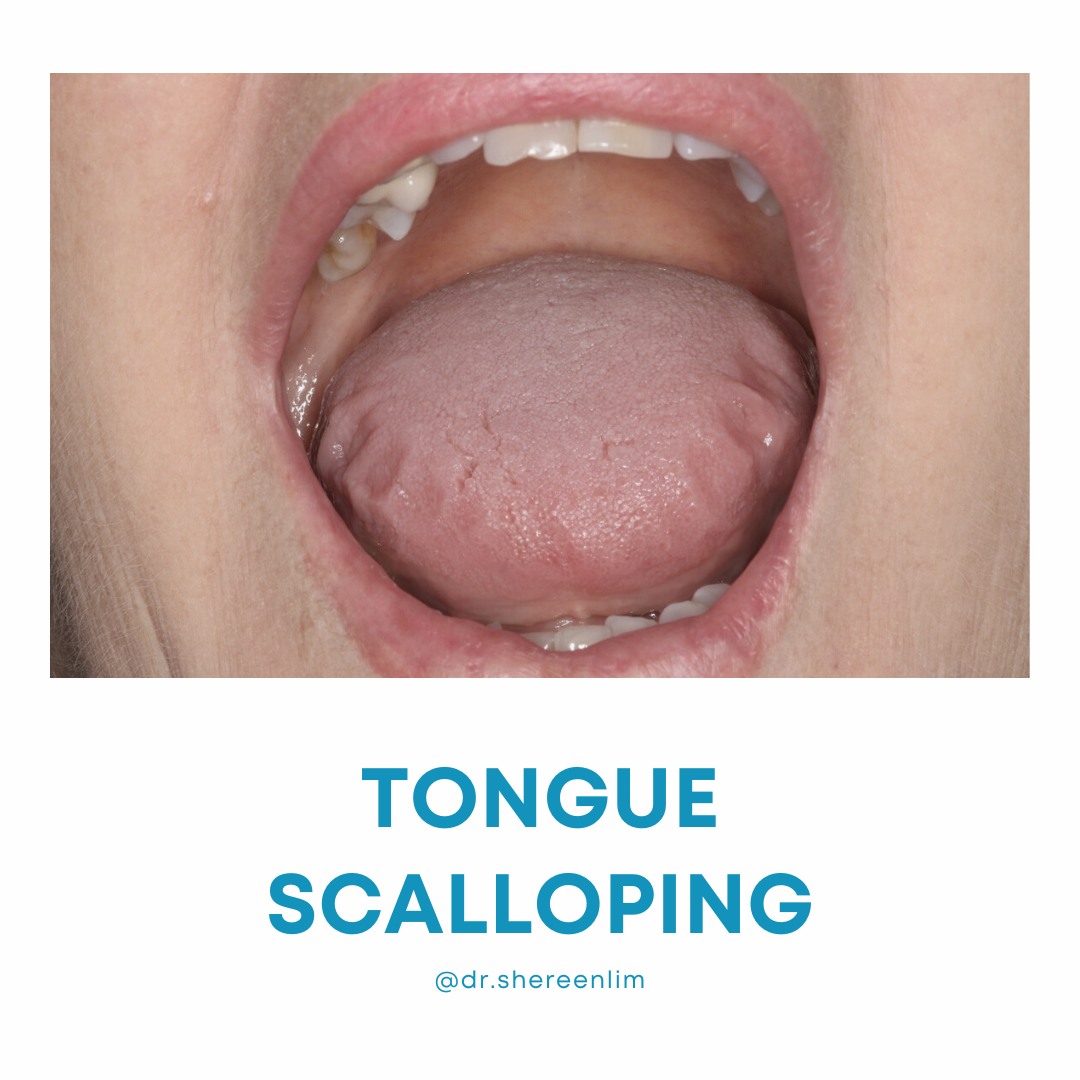
In my experience, children who’ve had repeated grommets often share a distinctive swallowing pattern. The tongue doesn’t lift properly to the roof of the mouth, and the muscles around the lips, chin and cheeks are overused in compensation. Once you know what to look for, it’s hard to miss.
Video: Reverse swallow: low tongue position and overactive facial muscles.
This child had palate expansion with me four years ago, but the family didn’t continue with myofunctional therapy. The video was taken after his expansion, and you can see the reverse swallow is still there. He needed his fourth set of grommets within a year of his expansion. In my experience, it’s unusual for children to need grommets again after expansion, which is partly why his case stood out to me. I suspect his swallowing pattern is part of the story.
Expansion changes the structure, but changing function usually needs therapy too.
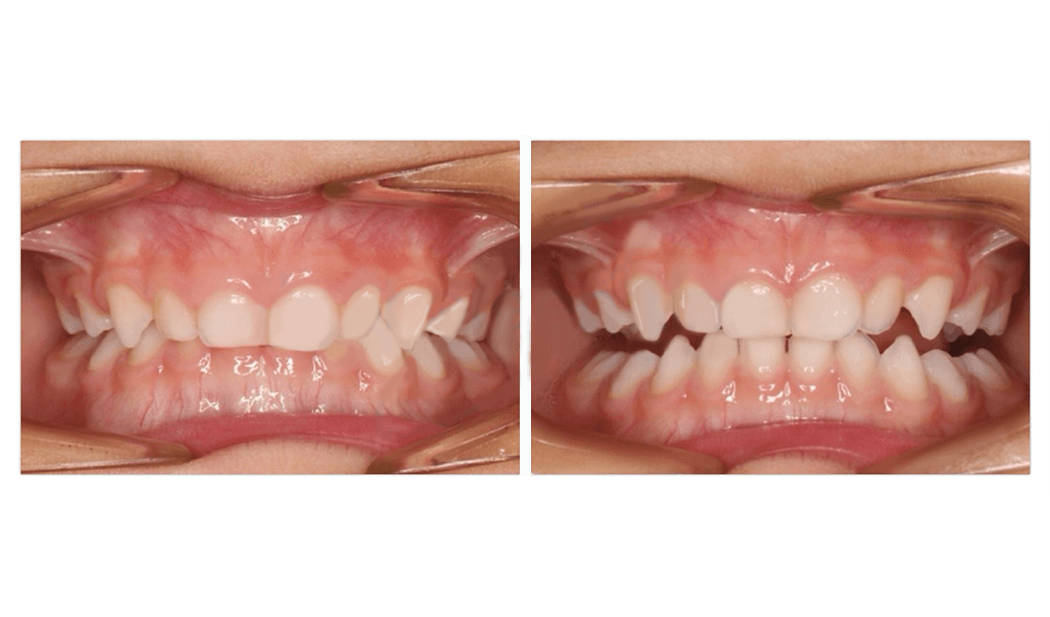
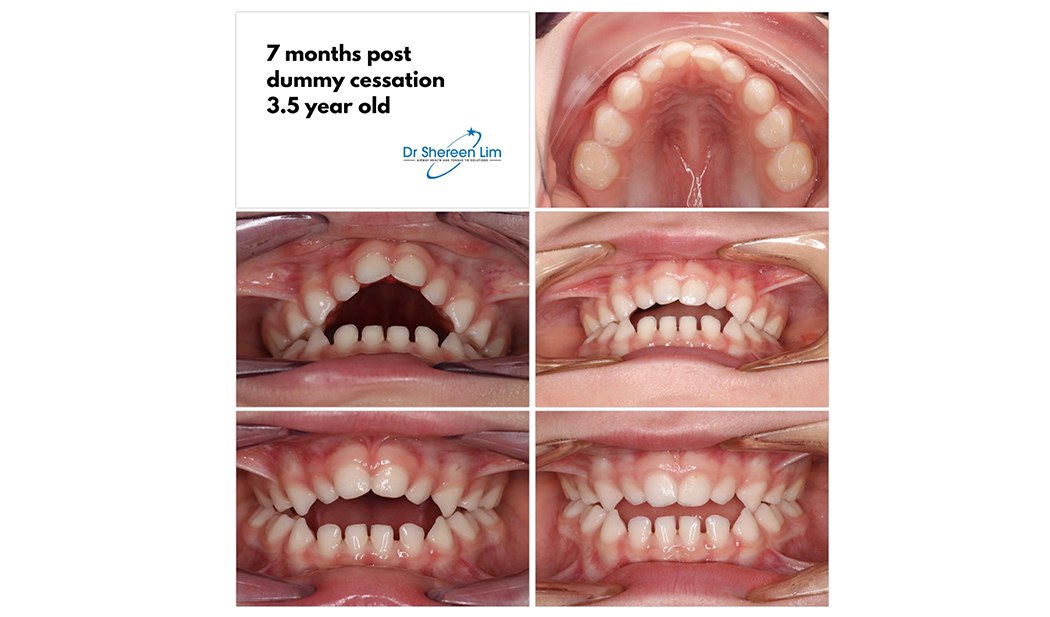
Oral habits matter as well. Pacifier and thumb sucking change how a child’s tongue sits and moves, and pacifier use has been linked to increased risk of ear infections.
What should parents be asking?
If your child keeps getting ear infections or has needed repeated grommets, here are some questions worth discussing with your GP, ENT surgeon or dentist:
- Breathing: Does your child regularly breathe through their mouth, particularly during sleep? Do they snore?
- Palate development: Has anyone assessed whether their upper jaw is narrow or their palate unusually high?
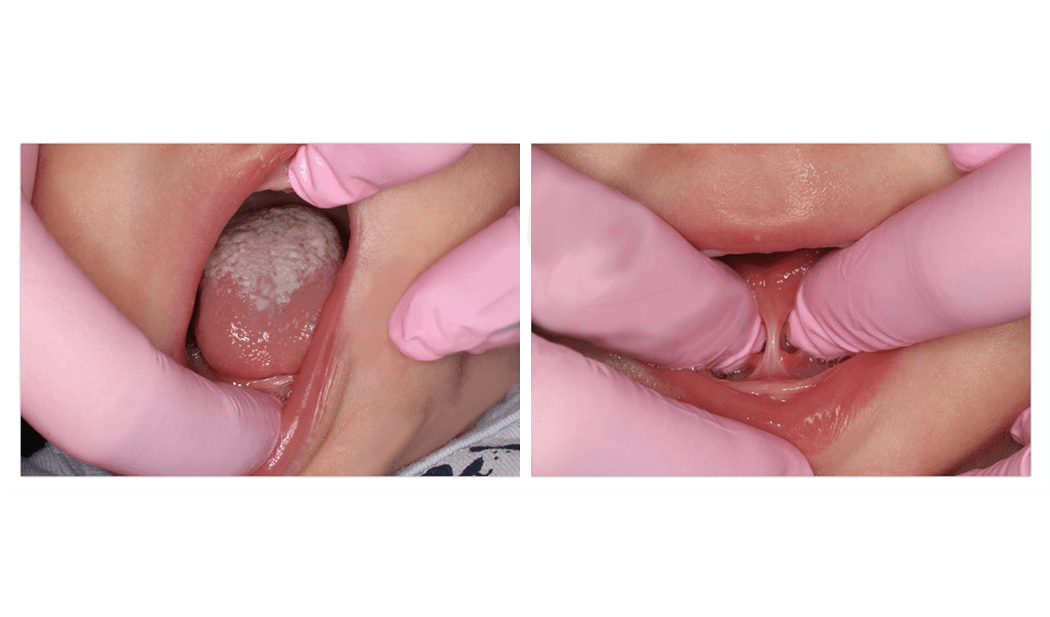
- Tongue function and swallowing: Does your child have difficulty lifting their tongue, a tongue-tie or an unusual swallowing pattern?
- Oral habits: Are they still using a dummy or sucking their thumb?
- Broader assessment: Could a dentist, orthodontist, speech pathologist or myofunctional therapist help identify other factors?
These questions aren’t meant to replace ENT assessment or treatment. They’re about recognising that persistent problems may have more than one cause.
Connecting the dots
Six sets of grommets by age six should make us pause.
Grommets help many children. But when they’re needed again and again, it’s time to look further: at the palate, the airway and the way a child swallows. We don’t have all the answers yet, but the research gives us good reason to ask these questions, together, across GPs, ENT surgeons, dentists, orthodontists, speech pathologists and myofunctional therapists.
Because the ears, nose, palate and swallowing muscles don’t work in isolation.
Perhaps it’s time we stopped treating them as though they do.
Further reading
- Kim, S. J., Donovan, D. M., Blanchard, S. B., Kowolik, J. E., & Eckert, G. J. (2008). The relationship between acute otitis media and the anatomic form of the hard palate. Pediatric Dentistry, 30(1), 9–14.
- Fagundes, N., Rabello, N. M., Maia, L. C., Normando, D., & Mello, K. (2017). Can rapid maxillary expansion cause auditory improvement in children and adolescents with hearing loss? A systematic review. The Angle Orthodontist, 87(6), 886–896.
- Calvo-Henriquez, C., et al. (2023). Pediatric maxillary expansion has a positive impact on hearing? A systematic review and meta-analysis. European Annals of Otorhinolaryngology, Head and Neck Diseases, 140(1), 31–38.
- Leite, L. A. de S., Granjeiro, J. M., & Calasans-Maia, J. de A. (2025). Effects of rapid maxillary expansion on hearing: A systematic review and meta-analysis. Brazilian Journal of Oral Sciences, 24, e258111.
- Cerritelli, L., et al. (2022). Rapid maxillary expansion (RME): An otolaryngologic perspective. Journal of Clinical Medicine, 11(17), 5243.
- Kılıç, N., Yörük, Ö., Kılıç, S. C., Çatal, G., & Kurt, S. (2016). Rapid maxillary expansion versus middle ear tube placement: Comparison of hearing improvements in children with resistance otitis media with effusion. The Angle Orthodontist, 86(5), 761–767.
- Kılıç, N., Yörük, Ö., & Kılıç, S. C. (2021). An alternative treatment approach for patients with resistant otitis media with effusion and dysfunctional Eustachian tube. The Angle Orthodontist, 91(6), 772–777